
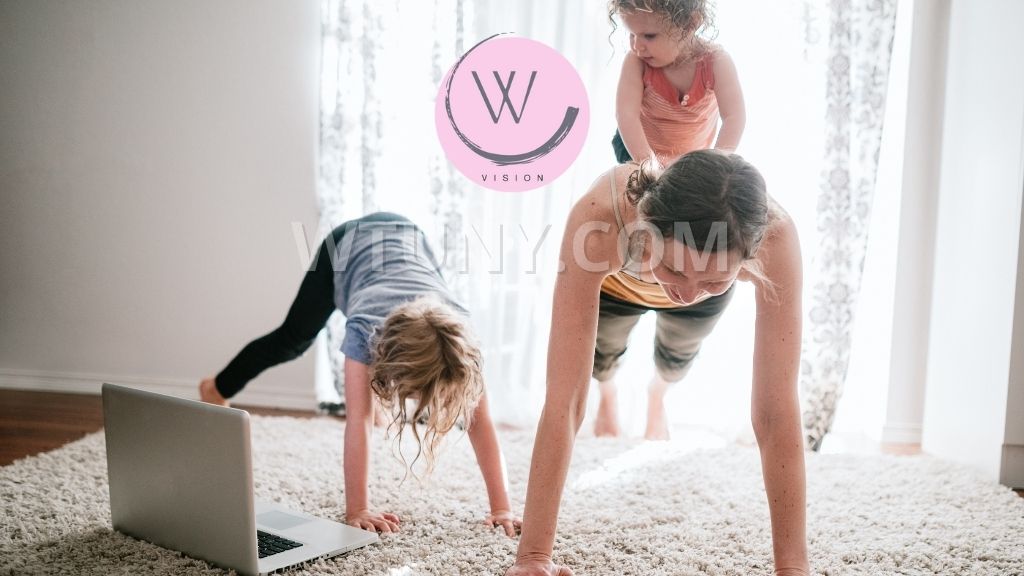
Weight loss is easier to sustain when it is approached as part of a healthier routine rather than as a short-term challenge. You do not need a gym or expensive equipment to become more active. A combination of cardio, strength, and core exercises can help you use more energy, build functional strength, and make regular movement part of your day.
The five exercises below can be adapted for different fitness levels. Start slowly, focus on good form, and increase the duration or repetitions gradually. Exercise supports weight loss, but results also depend on overall eating habits, sleep, stress, and consistency.
1. Brisk Walking or Walking in Place
Brisk walking is one of the simplest ways to add cardiovascular activity to a home workout plan. If you have enough space, walk continuously around your home or outside. Otherwise, march in place, lift your knees comfortably, and swing your arms naturally.
- Begin with five to ten minutes at an easy pace.
- Gradually work toward longer sessions as your stamina improves.
- Increase the pace enough to feel warmer and breathe more deeply without losing control of your breathing.
Walking is also a useful low-impact option for people who are returning to exercise. Supportive footwear and a clear walking surface can make the activity more comfortable and safer.
2. Bodyweight Squats
Squats work the muscles of the legs and hips while also challenging balance and movement control. They require no equipment and can be modified easily.
How to perform a basic squat
- Stand with your feet about hip-width apart and keep your toes pointing slightly outward if that feels natural.
- Brace your midsection, send your hips back, and bend your knees as though you are sitting into a chair.
- Lower only as far as you can while keeping your heels on the floor and your back in a comfortable position.
- Press through your feet to return to standing.
Try one to three sets of eight to 15 repetitions. To make the movement easier, squat to a sturdy chair and lightly touch the seat before standing. Keep your knees aligned with your feet rather than allowing them to collapse inward.
3. Push-Ups
Push-ups strengthen the chest, shoulders, arms, and core. They can be performed on the floor or modified against a wall, countertop, or sturdy table.
Form and progressions
- Place your hands slightly wider than shoulder-width apart.
- Keep your body in a straight line from your shoulders to your hips and feet, or rest your knees on the floor for a modified version.
- Lower your chest with control, keeping your elbows at a comfortable angle.
- Press back up without locking your elbows forcefully.
Begin with a number of repetitions you can complete with steady form. Several controlled repetitions are more useful than rushing through a larger number.
4. Planks
Planks are isometric exercises that train the abdominal and supporting muscles of the torso. They also require control from the shoulders, hips, and legs.
Start on your forearms and knees, or use a full plank with your legs extended if you can maintain proper alignment. Keep your hips level, tighten your abdominal muscles gently, and breathe normally. Hold the position for 10 to 20 seconds, rest, and repeat two or three times. Increase the hold gradually rather than allowing your lower back to sag.
A shorter, well-aligned plank is preferable to a longer hold performed with discomfort or poor posture.
5. Jumping Rope or Low-Impact Skipping
Jumping rope can provide a vigorous cardiovascular workout in a small space. It also challenges coordination and rhythm. If jumping is uncomfortable, perform a low-impact alternative by stepping from side to side or moving one foot at a time while turning the rope.
- Use a clear, non-slip surface.
- Keep your jumps small and land softly on the balls of your feet.
- Work in short intervals, such as 20 to 30 seconds, followed by rest.
- Stop if you develop sharp pain, dizziness, or unusual shortness of breath.
Build a Simple Home Workout
Choose three or four exercises and complete them in a circuit. For example, walk or march for several minutes, perform squats and modified push-ups, hold a plank, and finish with a short skipping interval. Rest between exercises as needed and repeat the circuit once or twice.
There is no single best time of day to exercise. Morning, afternoon, or evening can all work if the schedule is realistic enough to maintain. Pair regular movement with balanced meals, avoid extreme diets or starvation, and allow time for recovery.
If you have diabetes, high blood pressure, heart disease, joint problems, or another ongoing health condition, ask a qualified healthcare professional how to exercise safely. Consistent, manageable activity is more valuable than an intense routine that you cannot continue.