
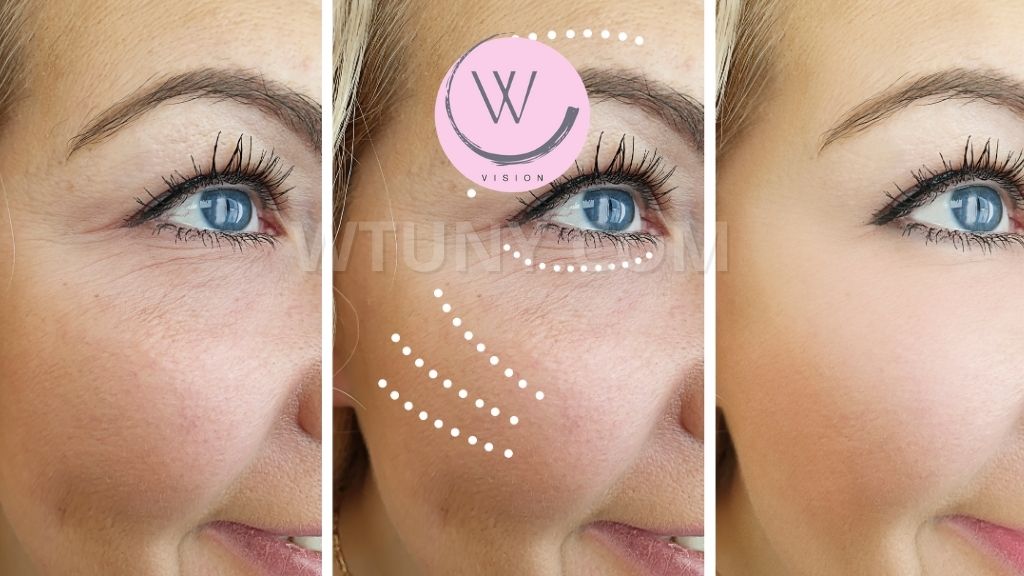
Dark circles are common and can appear at any age. They may look brown, blue, purple, or shadowed depending on your skin tone and the reason behind them. Lack of sleep is one possible contributor, but genetics, ageing, allergies, sun exposure, dehydration, and the natural shape of the area beneath the eyes can also play a part.
Because the skin around the eyes is thin and sensitive, gentle care is usually the safest approach. Home remedies may make the area look less puffy or tired, but they cannot permanently remove circles caused by inherited pigmentation or facial structure.
Why dark circles appear
Under-eye darkness generally falls into several overlapping categories:
- Pigmentation: Brownish darkness may be linked to melanin, family traits, or repeated sun exposure.
- Vascular darkness: Blue or purple tones can become more noticeable when the skin is thin, when you are tired, or as you age.
- Structural shadows: Hollows, puffiness, or changes in the skin’s firmness can create a shadow that resembles discoloration.
- Lifestyle-related changes: Poor sleep, dehydration, stress, an unbalanced diet, and eye rubbing may make the area appear darker or more swollen.
Identifying the likely cause matters. A home routine may help with temporary puffiness or dryness, while hereditary pigmentation and structural shadows may require professional advice if you want more noticeable change.
10 gentle ways to care for dark circles at home
1. Apply a cool compress
Place a clean, cool, damp cloth over closed eyes for a few minutes. Cooling can temporarily reduce the appearance of puffiness and soothe tired skin. Do not press hard or apply ice directly to the skin.
2. Try chilled cucumber slices
Clean, chilled cucumber slices can provide a cooling, soothing sensation. Rest them over closed eyes for about 10 minutes, then rinse the area gently if needed. Stop if you notice stinging, redness, or irritation.
3. Use a clean potato compress cautiously
Some people use chilled raw potato slices or a small amount of strained potato juice as a short compress. Keep the eyes closed, avoid contact with the eye itself, and wash the skin afterward. This remedy is not suitable if it causes discomfort or irritation.
4. Protect the area with a simple moisturiser
Dryness can make fine lines and shadows look more pronounced. Apply a small amount of a gentle, fragrance-free moisturiser around—not inside—the eye area. Pat rather than rub.
5. Consider aloe vera with a patch test
A plain, fragrance-free aloe vera gel may help soothe and moisturise some skin types. Test it on another small area first, and use only a tiny amount beneath the eyes. Wash it off if it feels sticky, burns, or causes redness.
6. Improve your sleep routine
Irregular or insufficient sleep can make under-eye puffiness and vascular darkness more visible. Aim for a consistent bedtime, allow enough time for rest, and keep your evening routine as calm as possible.
7. Raise your head slightly while sleeping
If you wake with puffy eyes, slightly elevating your head may help reduce fluid collecting around the eyes overnight. Choose a comfortable position and avoid adding so many pillows that your neck is strained.
8. Drink enough fluids
Dehydration can leave skin looking dull and tired. Drink water regularly throughout the day, especially when you are active or in a warm environment. Hydration will not remove inherited dark circles, but it supports overall skin comfort.
9. Eat a varied, nourishing diet
Regular meals containing vegetables, fruit, and sources of iron and vitamin C support general health. Avoid relying heavily on highly processed foods, and speak with a healthcare professional before taking iron or other supplements.
10. Reduce sun and eye irritation
Wear sunglasses outdoors and avoid deliberately exposing the under-eye area to strong sunlight. If allergies make your eyes itchy, try not to rub them, since rubbing can worsen irritation and discoloration. Take regular breaks from prolonged screen use if your eyes feel strained.
What to avoid
Do not apply lemon juice, essential oils, harsh scrubs, or strong bleaching mixtures beneath the eyes. These products can irritate sensitive skin and may make pigmentation more noticeable. Milk-based compresses can also cause irritation in some people and should never enter the eyes. Always wash your hands, use clean materials, and stop any remedy that causes burning, swelling, or a rash.
When to seek medical advice
Consult a healthcare professional if darkness or swelling appears suddenly, affects only one side, is accompanied by pain or vision changes, or persists with significant itching and allergy symptoms. If dark circles remain despite consistent sleep, gentle skincare, and sun protection, a clinician or qualified skin professional can help determine whether pigmentation, allergies, or facial structure is the main cause.
Dark circles are often harmless and cannot always be eliminated naturally. A consistent, gentle routine can nevertheless help the area look more rested while protecting the delicate skin around the eyes.