
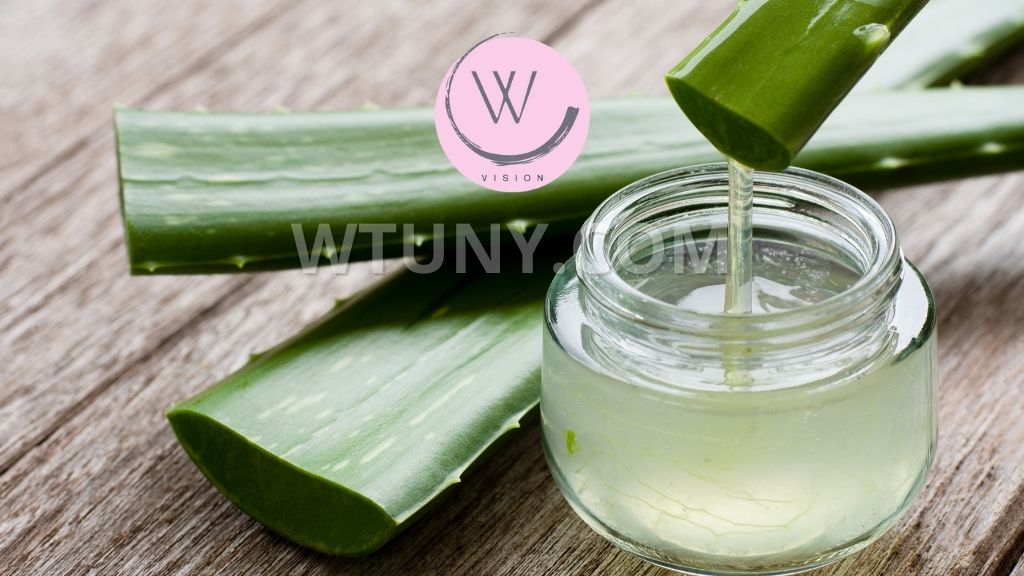
Amla–aloe vera juice combines the tart fruit of the Indian gooseberry tree with aloe vera leaf juice or gel. It is commonly presented as a traditional wellness drink and is often chosen for its plant-based ingredients, distinctive flavour and possible digestive or antioxidant properties. However, it should not be treated as a cure-all or as a replacement for medical care.
What does amla–aloe vera juice contain?
Amla, also known as Indian gooseberry, is valued for its vitamin C content and naturally occurring plant compounds, including polyphenols. Aloe vera contributes water, plant compounds and small amounts of vitamins and minerals, although the nutritional value can vary considerably between fresh preparations and commercially made drinks.
Labels should be checked carefully. Some products contain added sugar, flavourings or only a small amount of amla or aloe. Aloe products may also differ depending on whether they use inner-leaf gel or include parts of the outer leaf. These differences can affect both the drink’s properties and its safety.
Potential uses and benefits
Digestive support
Aloe vera has traditionally been used in preparations intended to support bowel movements and digestion. Amla is also used in traditional systems of medicine as a digestive ingredient. Nevertheless, the effects of a juice depend on its formulation, amount and the individual drinking it. It is not appropriate to assume that every amla–aloe product will relieve constipation, indigestion or other digestive symptoms.
Antioxidant nutrients
Amla provides vitamin C and other plant compounds with antioxidant activity. These nutrients contribute to normal immune function and help protect cells from oxidative stress as part of a balanced diet. This does not mean that the drink can prevent infections, reverse ageing or treat a specific disease.
Traditional research on ulcers
The source article refers to research in animals in which aloe vera and amla preparations were investigated for stomach-ulcer healing. Animal findings can help guide further research, but they do not establish that the same preparation will heal ulcers in people. Anyone with persistent stomach pain, vomiting, black stools or suspected ulcer symptoms should seek medical evaluation rather than self-treating with juice.
How to approach drinking it
- Choose a clearly labelled product and follow the serving instructions.
- Prefer products with minimal added sugar, especially if you are monitoring blood glucose or overall sugar intake.
- Start with a small amount if you have not used the product before, and stop if it causes discomfort or an allergic reaction.
- Do not assume that a larger quantity provides greater benefits.
- Avoid replacing prescribed medicines, a varied diet or professional treatment with this drink.
Homemade preparations require particular care because the composition of aloe can vary. Only aloe products intended for oral use should be consumed; preparations made for topical use are not suitable as drinks.
Possible side effects
Amla may taste strongly sour and can be irritating for some people, particularly when consumed undiluted or on an empty stomach. Aloe-containing drinks may cause abdominal cramps, loose stools or diarrhoea, especially when they contain compounds from the outer leaf. Digestive upset can also lead to dehydration or changes in mineral balance if diarrhoea is severe or prolonged.
Allergic reactions are possible, although they are not necessarily common. Stop using the drink and seek prompt help for swelling of the lips or face, breathing difficulty, widespread rash or severe itching. New or worsening digestive symptoms should also be discussed with a healthcare professional.
Who should use caution?
Pregnant or breastfeeding people, children, older adults and anyone with a chronic medical condition should ask a healthcare professional before using amla–aloe vera juice regularly. Extra care is advisable for people with kidney problems, bowel disorders, fluid or electrolyte concerns, or a history of sensitivity to aloe or amla.
Aloe products may interact with medicines, particularly those that affect blood glucose, fluid balance or bowel function. If you take regular medication, ask a doctor or pharmacist to review the specific product and its ingredient list before use.
Bottom line
Amla–aloe vera juice can be an occasional plant-based beverage, and amla supplies vitamin C and other natural compounds. Its broader claims—such as treating ulcers, diabetes, infections, coughs or vision problems—are not established by the information available here. Use it conservatively, select a reliable preparation and seek medical advice for ongoing symptoms or before using it alongside medicines.