
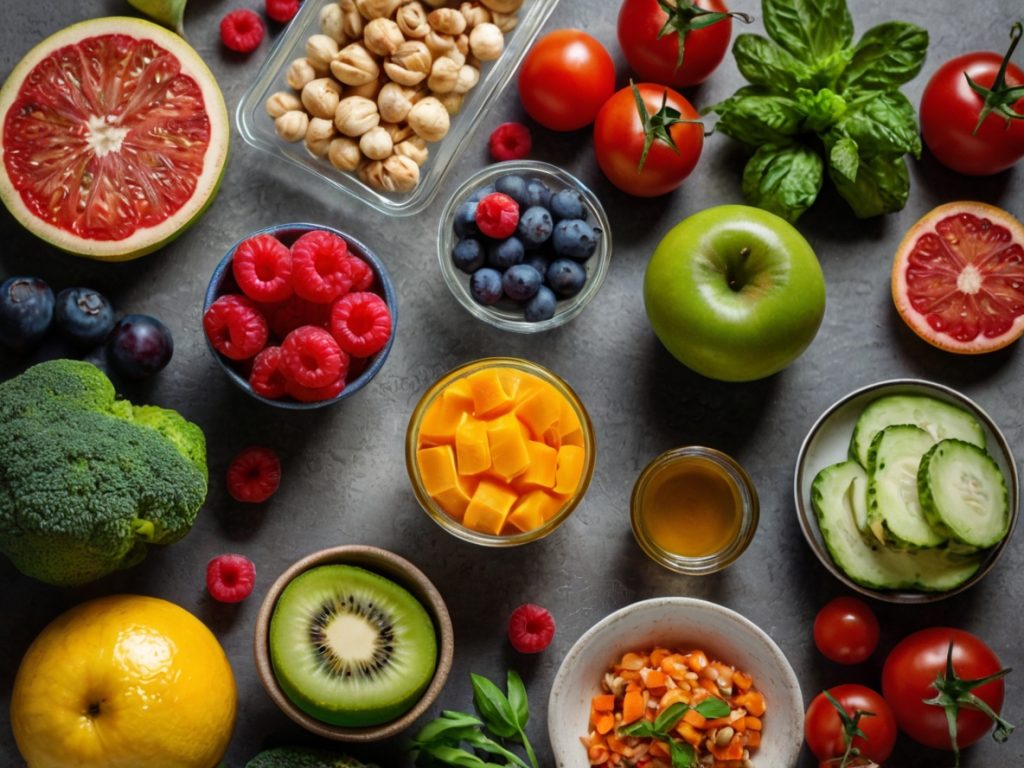
A nourishing way of eating does not require perfection, expensive ingredients, or complicated rules. It begins with a practical pattern: choose mostly whole or minimally processed foods, include variety, and prepare meals in ways that make healthy choices enjoyable and sustainable.
Build meals around nutritious basics
A balanced plate can include several food groups rather than focusing on one “perfect” ingredient. Combining different foods helps provide the protein, carbohydrates, fats, vitamins, minerals, and fiber the body needs.
- Vegetables and fruit: Include a range of colors and types. Fresh, frozen, and canned produce can all be useful choices; when using canned foods, options with little or no added salt or sugar may be preferable.
- Whole grains: Oats, brown rice, whole-wheat bread, barley, and quinoa provide more fiber than refined grain products.
- Protein foods: Beans, lentils, tofu, eggs, fish, poultry, yogurt, nuts, and seeds can all contribute protein. Choose options that fit your dietary needs and preferences.
- Healthy fats: Avocado, olive oil, nuts, seeds, and some fish add flavor and provide unsaturated fats.
Rather than eliminating an entire category of food without a specific reason, aim for variety and sensible portions. Your needs may differ according to age, activity, health conditions, allergies, and dietary preferences.
Organic food: an optional consideration
Organic eating can be important to people who want to follow particular farming standards, reduce the use of certain agricultural chemicals, or support producers using specific environmental practices. However, choosing organic is not the only way to eat well. Conventional fruits, vegetables, grains, and other foods can also be part of a nutritious diet.
If an organic shopping list is beyond your budget, prioritize the foods you can afford and focus on eating a broad selection of produce. Washing fresh produce and handling food safely remain useful practices regardless of how it was grown. Buying seasonal food, reducing waste, and choosing local products when practical can also support a more thoughtful approach to eating.
Make clean eating practical
“Clean eating” is most useful when it means choosing foods with fewer unnecessary additions and preparing more meals at home. It does not have to mean strict rules, detoxes, or avoiding every packaged food. Some packaged foods, such as frozen vegetables, canned beans, plain yogurt, and whole-grain bread, can be convenient and nutritious.
To make everyday meals more wholesome:
- Read ingredient lists and nutrition labels, especially when comparing added sugars, sodium, and saturated fat.
- Choose water regularly and limit drinks that are high in added sugar.
- Use fruit, yogurt, nuts, or cut vegetables for simple snacks.
- Keep convenient staples available so busy days do not automatically lead to less nourishing choices.
- Cook larger batches of grains, beans, soup, or roasted vegetables for later meals.
Simple nutrition habits for a balanced diet
Practice variety and portion awareness
Eating the same foods every day can make it harder to obtain a broad range of nutrients and may make meals feel repetitive. Rotate vegetables, protein sources, grains, and cooking styles. Portion needs vary, so use hunger and fullness cues alongside practical measures such as a smaller plate or serving food before sitting down for a meal.
Include fiber and protein
Fiber-rich foods such as vegetables, fruit, legumes, and whole grains can add texture and staying power to meals. Protein can also help make meals satisfying. A bowl of oatmeal with fruit and seeds, a bean-and-vegetable grain bowl, or fish with roasted vegetables and potatoes are examples of combinations that bring several useful components together.
Stay hydrated
Water supports normal bodily functions and is a straightforward everyday drink choice. Keep water accessible and consider unsweetened tea or sparkling water when you want variety. Individual fluid needs differ, particularly with heat, exercise, illness, or certain medical conditions.
Wholesome cooking techniques
Cooking from scratch gives you greater control over ingredients, but healthy cooking can also be quick. Steaming helps vegetables retain their shape and flavor. Roasting brings out sweetness and works well for vegetables, fish, poultry, and tofu. Grilling can add a smoky flavor, while sautéing allows you to build a meal quickly with a small amount of oil.
Use herbs, spices, citrus, garlic, ginger, and vinegar to add flavor without relying entirely on salt, sugar, or heavy sauces. Avoid overcooking vegetables, and vary textures so meals remain appealing. Planning a few flexible recipes each week—such as soups, grain bowls, stir-fries, or sheet-pan meals—can make nutritious eating easier to maintain.
Keep the approach sustainable
The most effective eating pattern is one you can follow consistently. Enjoying favorite foods in reasonable portions can fit within an otherwise balanced diet. If you have a medical condition, food allergy, or specialized dietary requirement, seek individualized advice from a qualified healthcare professional or registered dietitian.