
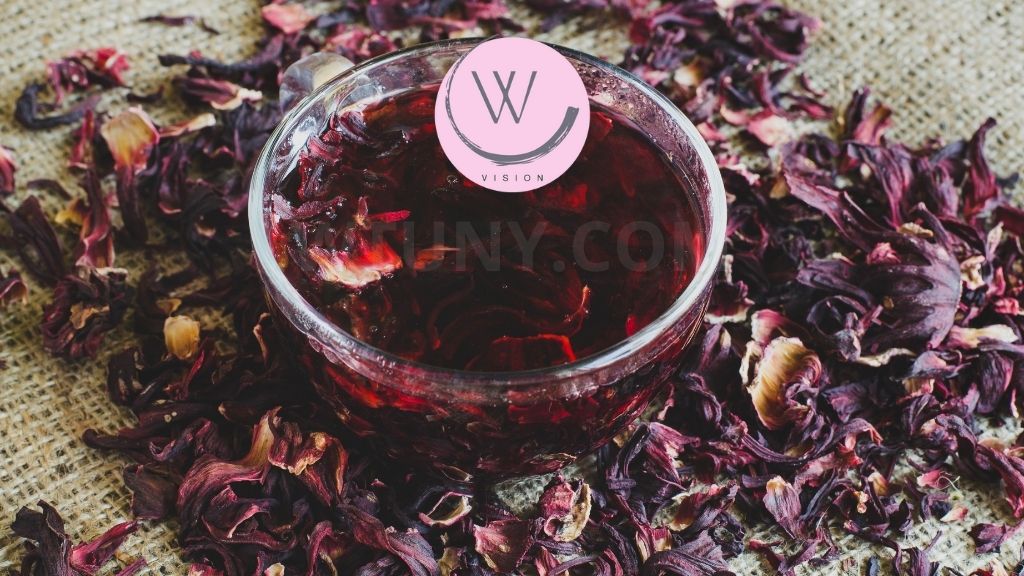
Hibiscus tea is a brightly colored herbal infusion with a tart, berry-like flavor. It is commonly enjoyed as an alternative to coffee or traditional tea and can be served hot or cold. The drink is made from dried red hibiscus plant material and is often blended with lemon, fruit, or a small amount of sweetener to balance its natural acidity.
Hibiscus has a long history of use in warm regions, including parts of Asia, Africa, Central America, and other tropical areas. Although it is widely used as a beverage, research into its health effects is still developing. Hibiscus tea may complement a balanced lifestyle, but it should not replace prescribed treatment or medical advice.
Potential benefits of hibiscus tea
May support healthy blood pressure
Some studies have investigated whether hibiscus tea can help reduce blood pressure. Compounds in hibiscus may support the relaxation of blood vessels, which could contribute to lower readings in some people. However, the available evidence does not establish hibiscus tea as a substitute for blood-pressure medication or a treatment for hypertension.
Possible effects on cholesterol
Research has also explored the relationship between hibiscus consumption and blood fats, including total cholesterol and low-density lipoprotein (LDL) cholesterol. Antioxidant compounds in the plant may play a role, but more human research is needed before firm conclusions can be made. Anyone concerned about cholesterol should rely on testing and guidance from a qualified healthcare professional.
May influence blood sugar after meals
Laboratory research suggests that polyphenols in hibiscus may affect enzymes involved in the digestion of carbohydrates. This has led to interest in hibiscus tea as a possible way to support blood-sugar management. Evidence from laboratory and animal work cannot confirm that drinking the tea will control blood sugar in people, so those with diabetes should monitor their levels and follow their treatment plan.
Antioxidant and anti-inflammatory interest
Hibiscus contains plant compounds with antioxidant activity. These compounds have been studied for their potential role in protecting cells from oxidative stress and moderating inflammatory processes. Such findings are promising but should not be interpreted as proof that hibiscus tea prevents cancer, cures inflammation, or treats another specific disease.
Weight-management research
Hibiscus compounds have been examined in animal and laboratory studies involving fat digestion and body weight. These results are not enough to show that hibiscus tea causes weight loss in humans. Sustainable weight management still depends on overall eating patterns, physical activity, sleep, and appropriate professional advice.
How to prepare hibiscus tea
- Use dried hibiscus intended for culinary or tea use.
- Place it in a teapot, infuser, or tea bag.
- Pour in freshly boiled water and allow it to steep for several minutes.
- Strain the tea and adjust the flavor with lemon, fruit, or a modest amount of sweetener.
Because the infusion is naturally tart, a smaller amount of hibiscus or a shorter steeping time can produce a milder drink. It can also be cooled and served over ice.
Possible side effects and precautions
Hibiscus tea is generally described as well tolerated in moderate amounts, but some people may experience stomach discomfort, gas, or changes in bowel habits. Drinking large quantities may be more likely to cause problems, particularly in people who are sensitive to acidic beverages or who do not stay adequately hydrated.
Hibiscus may affect blood pressure or blood sugar. For that reason, people taking medication for either condition should discuss regular use with a healthcare professional and watch for unusually low readings. Those with kidney problems or a history of kidney stones should also seek medical advice before making hibiscus tea a daily habit.
Pregnant or breastfeeding people should ask a clinician before drinking hibiscus tea regularly, because safety in these circumstances has not been established by the information summarized here. Anyone preparing for surgery should disclose herbal beverages and supplements to the medical team rather than assuming they are risk-free.
The practical takeaway
Hibiscus tea is a flavorful, caffeine-free beverage that may offer antioxidant activity and has been studied for possible effects on blood pressure, cholesterol, blood sugar, inflammation, and weight management. The evidence remains limited for several of these uses, so it is best viewed as part of a varied diet rather than as a medical remedy. Enjoy it in moderation, and consult a healthcare professional if you have a chronic condition, take medication, or plan to drink it frequently.