
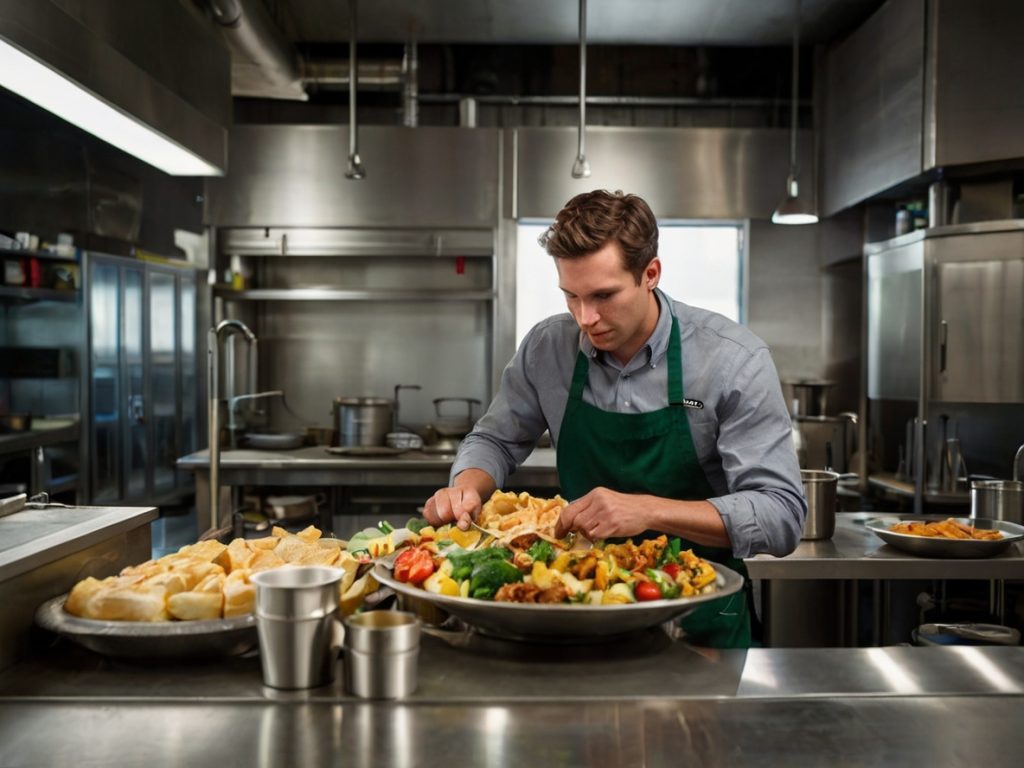
Long workdays are easier to manage when meals and snacks support steady energy instead of creating a cycle of hunger, overeating, and an afternoon slump. Whether you are working through a demanding deadline, spending hours in meetings, or concentrating on a complex project, the goal is not to eat constantly. It is to plan satisfying, balanced food choices that help you stay nourished and hydrated throughout the day.
Build meals around lasting fuel
A useful workday meal combines several types of nutrients rather than relying on a single food. Complex carbohydrates provide a dependable source of fuel, protein helps make a meal satisfying, and healthy fats add flavor and staying power. Foods that also contain fiber can help make meals more filling.
Good building blocks include:
- Complex carbohydrates: oats, brown rice, quinoa, whole-grain bread, potatoes, beans, fruit, and vegetables.
- Protein: eggs, Greek yogurt, poultry, fish, tofu, lentils, beans, and nuts.
- Healthy fats: avocado, olive oil, seeds, nut butters, and nuts.
- Fluids: water, sparkling water, or unsweetened drinks that make it easier to stay hydrated.
For example, a grain bowl with chicken or tofu, vegetables, beans, and an olive-oil-based dressing offers a more balanced option than a meal built mainly around refined carbohydrates. A breakfast of oatmeal with fruit, nuts, and yogurt can also be more sustaining than a sweet pastry eaten on its own.
Use a practical meal rhythm
Skipping meals often makes it harder to concentrate and can lead to eating whatever is most convenient later. Instead, decide in advance when you are likely to eat. A regular breakfast, lunch, and dinner may work well for some people, while others prefer smaller meals and planned snacks between them.
The best schedule is the one that fits your workday and appetite. There is no need to force food when you are not hungry, but it is helpful to notice early signs of hunger before they become distracting. If meetings regularly run through lunch, prepare something portable so that a balanced meal is still available afterward.
Choose snacks that combine nutrients
Snacks are most useful when they bridge the gap between meals rather than functioning as an endless supply of quick sugar. Pairing a carbohydrate with protein or fat can make a snack more satisfying and provide a mix of nutrients.
Practical options include:
- An apple or banana with peanut butter
- Greek yogurt with berries and seeds
- Carrot, cucumber, or bell-pepper sticks with hummus
- Whole-grain crackers with cheese or tuna
- A small handful of nuts with dried or fresh fruit
- A hard-boiled egg with whole-grain toast
- Overnight oats prepared in advance
Keep snacks portioned and easy to reach, particularly if you work away from a kitchen. Having a few options ready reduces the chance that a busy afternoon will end with a skipped meal or an impulsive choice based only on convenience.
Do not overlook hydration
Dehydration can make a long work session feel more difficult, while reaching for sweet drinks can add unnecessary sugar without providing a satisfying meal. Keep water nearby and drink regularly. If plain water becomes monotonous, sparkling water or water with fruit can provide variety.
Coffee and tea may be part of a work routine, but they should not replace food or water. Pay attention to how caffeine affects your concentration, appetite, and sleep, especially when working late.
Make eating a real break
Eating at your desk while answering messages can make it difficult to notice hunger and fullness cues. When possible, step away from the screen for even a short meal or snack break. A brief change of setting can give your mind a pause and make the meal more intentional.
Avoid relying heavily on foods that provide a quick burst of sweetness but little else. Candy, pastries, and highly processed snacks can still fit into an overall eating pattern, but making them the main source of fuel may leave you hungry again soon. Balance convenience foods with items that provide protein, fiber, and more substantial nourishment.
Prepare for demanding days
Before a particularly long work session, make a simple plan: identify your meal times, fill a water bottle, and set aside two or three snack choices. A prepared meal does not need to be elaborate. Leftovers, a filled wrap, a grain-and-bean salad, or a yogurt-and-fruit combination can all be practical options.
Consistent meals, balanced snacks, and adequate fluids can make extended work periods easier to navigate. Most importantly, choose foods you enjoy and that suit your dietary needs. The right workday fuel is sustainable, convenient, and satisfying enough to support both concentration and your overall well-being.