
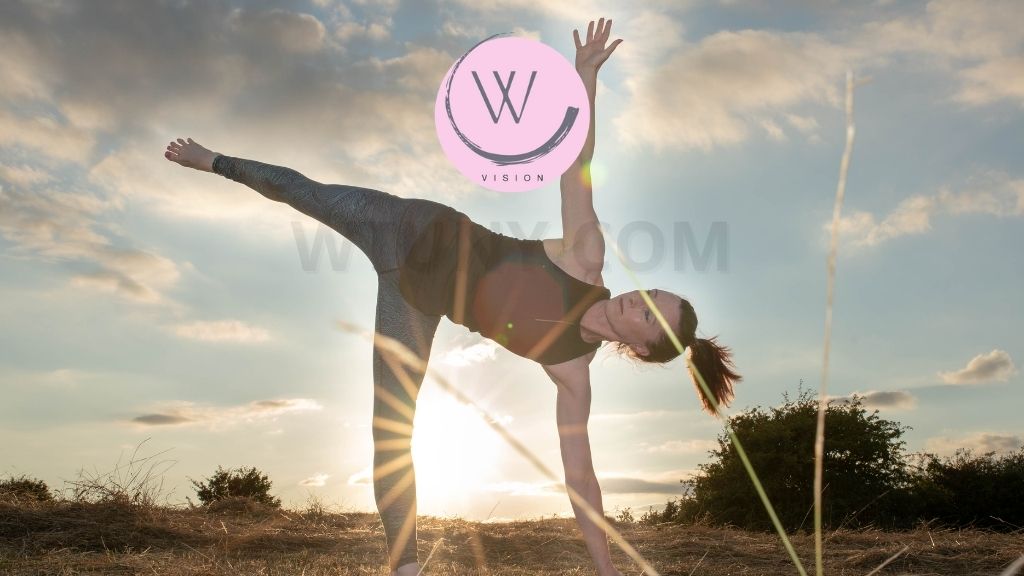
Ardha Chandrasana, commonly translated as Half Moon Pose, is a standing balance that combines strength, mobility, concentration, and controlled breathing. The Sanskrit name comes from ardha, meaning “half,” chandra, meaning “moon,” and asana, meaning “pose.”
Unlike a simple standing stretch, this posture asks you to balance on one leg while extending the other leg and opening the torso to the side. It is often included in flowing yoga practices, but it can also be practised on its own. Move slowly and use a wall or yoga block if you are still developing balance.
Benefits of Ardha Chandrasana
Regular, mindful practice may support several aspects of physical and mental wellbeing. Benefits can include:
- Improved balance, coordination, and body awareness
- Strengthening of the standing leg, thighs, hips, ankles, and feet
- Engagement of the abdominal and back muscles to help stabilise the body
- A gentle opening through the hips, chest, shoulders, and the sides of the torso
- Greater awareness of alignment and weight distribution
- Improved concentration through the combination of steady breathing and focused attention
Yoga may also provide a useful opportunity to slow down and release everyday tension. These effects depend on the individual and should not be treated as a substitute for medical care or prescribed treatment.
How to Do Half Moon Pose
- Begin in a standing position at the front of your mat. Step your left foot back and come into a high lunge, keeping your right knee bent and your hips facing forward.
- Place your right hand on the floor or on a yoga block slightly in front of and to the outside of your right foot. Keep the hand far enough forward to give your torso room to extend.
- Shift your weight into the right leg. As you straighten that leg gradually, lift your left leg until it is approximately parallel to the floor.
- Open your left hip and turn your torso gently toward the left. Extend the left arm toward the ceiling if this feels stable.
- Keep the lifted leg active, reaching through the heel. Lengthen through the crown of your head and avoid collapsing into the standing hip or shoulder.
- Look forward or toward the floor. If your balance is steady and your neck is comfortable, you may turn your gaze toward the raised hand.
- Take several calm breaths, then slowly return to a lunge and repeat on the opposite side.
The goal is not to raise the leg as high as possible. A stable, well-aligned pose is more useful than forcing the hips or spine into a deeper position.
Helpful Modifications
Use a block
Place a block under the lower hand so you do not have to reach all the way to the floor. This can make it easier to lengthen the spine and keep the chest open.
Practise near a wall
Set up with your back close to a wall, or place the raised foot lightly against it for support. You can also keep the upper hand on a wall while learning the movement.
Keep the lower knee soft
If the standing leg feels strained, avoid locking the knee. Work with a small bend until your strength and balance improve.
Keep the top hand on your hip
There is no requirement to extend both arms. Keeping the upper hand on the hip may help you focus on the legs, pelvis, and spine before adding the full arm position.
Safety and Common Mistakes
Warm up before attempting Half Moon Pose, particularly with gentle standing movements and hip-opening exercises. Avoid bouncing, twisting forcefully, or holding your breath. Stop if you experience sharp pain, dizziness, numbness, or unusual discomfort.
- Do not turn the pose into a deep forward fold by dropping the chest toward the floor.
- Avoid allowing the standing knee to collapse inward.
- Keep the lifted leg active rather than letting it hang.
- Choose a steady gaze and use support if you feel unbalanced.
- Practise cautiously if you have an ankle, knee, hip, wrist, or lower-back problem.
People with high blood pressure, cardiovascular conditions, a history of stroke, hernia, significant balance difficulties, or other health concerns should ask a qualified healthcare professional whether this posture is appropriate. During pregnancy or menstruation, modifications may be needed; seek personalised guidance from a qualified yoga teacher and healthcare professional rather than relying on general instructions.
Making the Pose Part of Your Practice
Start with one or two brief holds on each side and build gradually as your balance improves. Practise with smooth breathing and treat every attempt as an exercise in awareness rather than a test of flexibility. With consistent, careful practice, Ardha Chandrasana can become a valuable standing posture for developing stability, strength, openness, and concentration.