
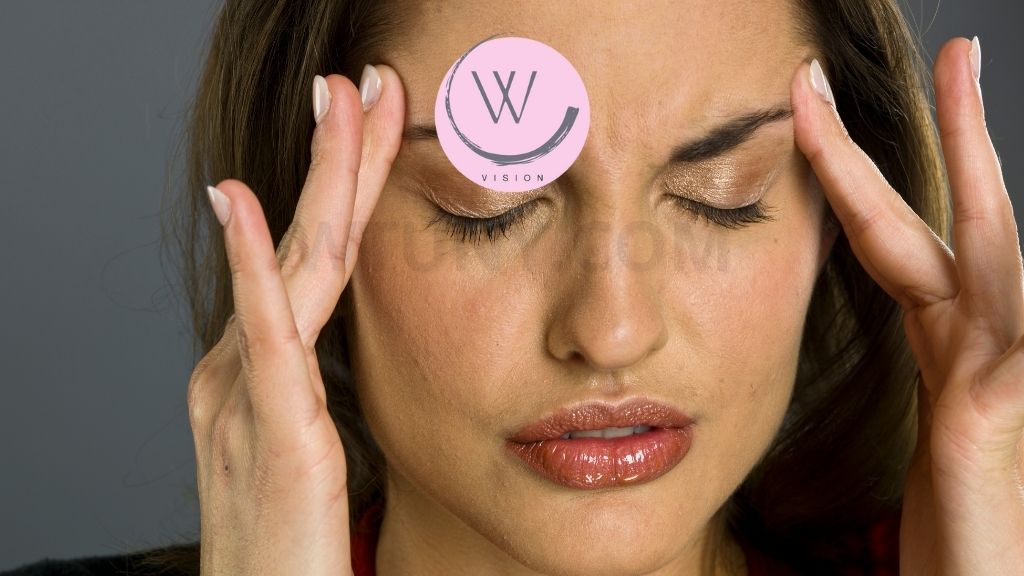
If migraine runs in your family, you may wonder whether you are destined to develop it too. The short answer is no: migraine can have a hereditary component, but it is not passed from parent to child in a simple, predictable way. A person may inherit a susceptibility to migraine while environmental factors, hormones, sleep, stress, and other triggers influence whether attacks occur and how severe they become.
What is a migraine?
Migraine is a neurological condition, not simply an intense headache. An attack may cause moderate to severe, often throbbing pain that is frequently stronger on one side of the head. Nausea, vomiting, and sensitivity to light or sound are also common.
Some people experience migraine with aura. Aura consists of temporary neurological symptoms, such as flashing lights, blind spots, tingling, numbness, dizziness, or difficulty speaking. These symptoms often appear before or alongside the headache, although not everyone with migraine experiences them.
Why migraines can run in families
Having a parent, sibling, or child with migraine increases the likelihood that you may experience it. This pattern suggests that inherited biological factors can affect how the brain processes pain and sensory information.
However, migraine does not usually follow a single-gene inheritance pattern. Instead, many genetic variations may contribute to susceptibility. These inherited factors interact with a person’s surroundings, health, hormones, and daily habits. As a result:
- A person with a family history may never develop migraine.
- Someone without an obvious family history can still experience migraine.
- Relatives may have different symptoms, triggers, or attack patterns.
- A genetic tendency does not determine exactly when attacks will begin or how often they will occur.
Family history is therefore best understood as a risk factor, not a guarantee. It can also be difficult to identify a family pattern when relatives describe their attacks as “bad headaches” without a formal diagnosis.
Common migraine stages and symptoms
Some attacks involve several stages, while others do not. Possible stages include:
- Prodrome: Early changes such as fatigue, mood changes, food cravings, or difficulty concentrating.
- Aura: Temporary visual, sensory, balance, or speech-related symptoms.
- Headache: Pulsating or throbbing pain that may last for hours and may be accompanied by nausea and sensitivity to light or sound.
- Postdrome: Fatigue, mental fog, neck discomfort, or a drained feeling after the pain improves.
Keeping a record of symptoms can help distinguish migraine from other types of headache. Note when an attack begins, how long it lasts, what symptoms occur, possible triggers, menstrual or hormonal changes, sleep patterns, and any medication used.
Triggers that can interact with inherited risk
Genes are only one part of the picture. Potential triggers vary from person to person and may include:
- Stress, anxiety, or emotional strain
- Too little sleep, oversleeping, or an irregular sleep schedule
- Skipped meals, fasting, or dehydration
- Hormonal changes, including those associated with menstruation, pregnancy, or menopause
- Bright or flashing lights, loud sounds, and strong smells
- Weather or atmospheric changes
- Caffeine or alcohol for some individuals
- Intense exertion or sudden changes in activity
Food triggers are highly individual. Rather than avoiding a long list of foods automatically, look for repeatable patterns in a symptom diary and discuss them with a healthcare professional.
When to seek medical care
Arrange a medical evaluation if headaches are new, frequent, worsening, unusually severe, or interfering with daily life. A clinician can review your history, perform a neurological examination, and determine whether further testing is appropriate. Imaging such as MRI or CT may be considered when symptoms are unusual or another cause needs to be ruled out; these tests are not automatically required for every migraine.
Seek urgent medical help for a sudden, extremely severe headache; a headache after a head injury; new weakness, fainting, confusion, or persistent trouble speaking; a headache with fever or a stiff neck; or symptoms that continue to worsen.
Managing migraine when it runs in the family
Treatment may include medicines taken during an attack and, when needed, preventive treatment to reduce the frequency or severity of attacks. The appropriate plan depends on the person’s symptoms, medical history, other medicines, and attack pattern.
Practical measures can also help: maintain regular sleep and meals, drink enough fluids, identify personal triggers, manage stress with techniques such as relaxation or meditation, and avoid taking pain medicine more often than recommended. Frequent use of acute headache medicines can itself contribute to recurring headaches, so ask a clinician or pharmacist for guidance.
The key takeaway
Migraine can be hereditary in the sense that families may share a biological susceptibility. It is not, however, a simple condition that is inevitably inherited. Understanding your family history, tracking individual triggers, and seeking appropriate medical advice can support earlier recognition and a more suitable management plan.