
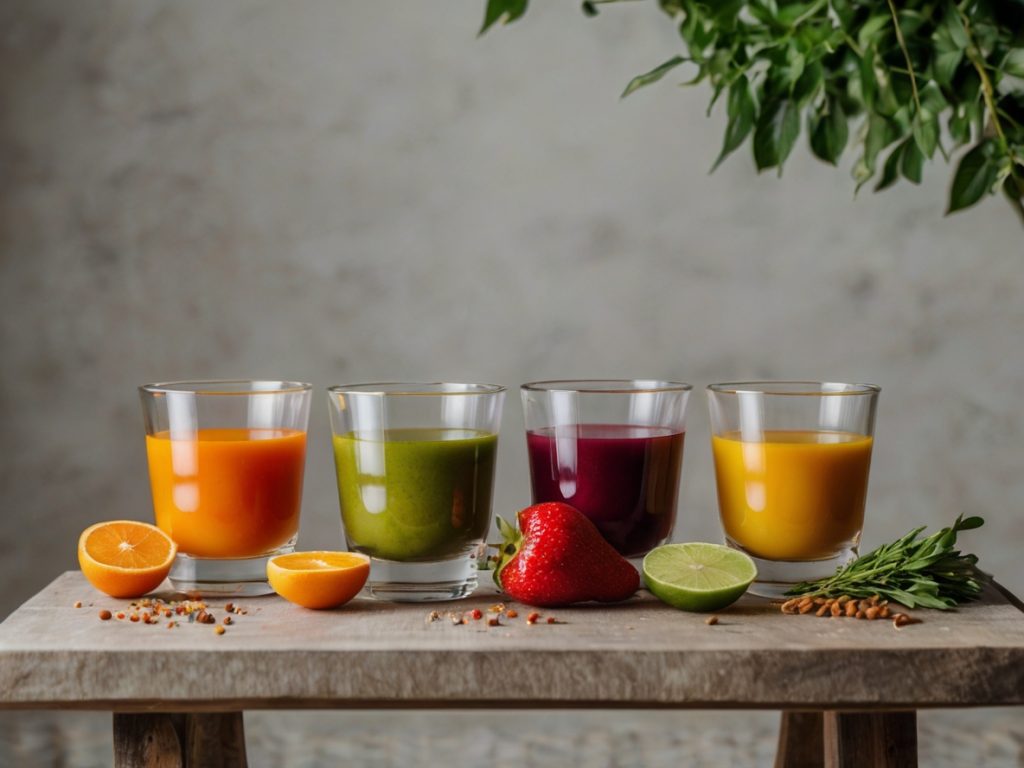
Choosing organic food can be one part of a broader approach to eating well and supporting responsible agriculture. Organic products are made under farming and processing standards that generally avoid synthetic pesticides and fertilizers, genetically modified organisms, and certain other inputs. However, “organic” is not a synonym for perfect, local, unprocessed, or automatically more nutritious. Understanding what the label means can help you make choices that fit your health priorities, budget, and values.
What does organic mean?
Organic farming is based on managing the farm as an interconnected system. Instead of relying primarily on synthetic inputs, organic growers use practices such as crop rotation, compost or manure management, natural pest-control methods, and measures that protect soil and water. The precise rules depend on the applicable certification system, so shoppers should read the wording and certification information on the package.
Organic food can include fresh produce, grains, beans, dairy products, meat, eggs, and packaged foods. A product may be organic while still being processed, high in sugar, or high in salt. The organic label therefore describes how ingredients were produced; it does not by itself describe the food’s overall nutritional quality.
Organic, non-GMO, and natural are not the same
These terms are often used together, but they refer to different things:
- Organic: Refers to production and processing methods governed by organic standards.
- Non-GMO: Indicates that the product does not contain genetically modified organisms, according to the relevant claim or certification.
- Natural: May have a broad or limited meaning depending on the product and labeling rules. It should not automatically be treated as equivalent to organic.
Some foods can be both organic and non-GMO, while others may meet one description but not the other. When a claim matters to you, check the package details rather than assuming that one label includes every other standard.
Why people choose organic foods
People choose organic products for different reasons. Some want to reduce their use of foods produced with synthetic agricultural chemicals. Others value farming methods that emphasize soil health, biodiversity, water conservation, and reduced reliance on synthetic inputs. Buying organic may also be a way to support farmers who follow those production practices.
Organic farming does not eliminate every environmental challenge, and organic food is not automatically local. A product can be organic and transported a long distance, just as a conventionally produced product can be grown nearby. If environmental impact is important to you, consider the full picture: production methods, seasonality, packaging, transportation, and food waste.
Organic food and healthy eating
A nutritious diet depends more on the overall pattern of what you eat than on whether every item carries an organic label. Build meals around vegetables and fruit, beans, whole grains, nuts, seeds, and other minimally processed foods. Include suitable protein sources and choose foods that help you meet your individual nutritional needs.
Organic versions of highly processed foods still need to be evaluated as highly processed foods. Organic biscuits, sweetened drinks, and snack foods may fit into a balanced diet in moderation, but the label does not remove their sugar, salt, or calorie content. Likewise, conventional fruits and vegetables can still be valuable choices when organic options are unavailable or unaffordable.
Practical ways to shop organic
- Prioritize what matters most. If your budget is limited, choose organic for the foods where production methods are especially important to you, rather than trying to replace everything at once.
- Buy seasonal produce. Seasonal foods may offer better flavor and can make it easier to shop from nearby farms or markets.
- Compare the ingredient list. Organic certification does not make a long list of refined ingredients automatically preferable to a simple, minimally processed option.
- Use frozen or canned options when useful. These can reduce waste and help keep nutritious staples available when fresh produce is costly or out of season.
- Wash produce properly. Organic produce should still be washed before eating, and handling practices remain important for food safety.
- Reduce waste. Planning meals, storing food correctly, and using leftovers can support both household finances and environmental goals.
Connecting food choices with sustainable agriculture
Sustainable agriculture aims to protect the resources needed for future food production. Practices such as crop diversification, maintaining soil fertility, conserving water, and encouraging beneficial wildlife can help farms manage their land responsibly. Organic farming often includes these approaches, but sustainability also involves economic and social considerations that cannot be judged from a single label alone.
The most useful approach is to combine informed label reading with a varied diet, sensible portions, and practical choices you can maintain. Whether you buy entirely organic, choose selected organic products, or focus mainly on seasonal whole foods, your decisions can support healthier eating and a more thoughtful relationship with the food system.