
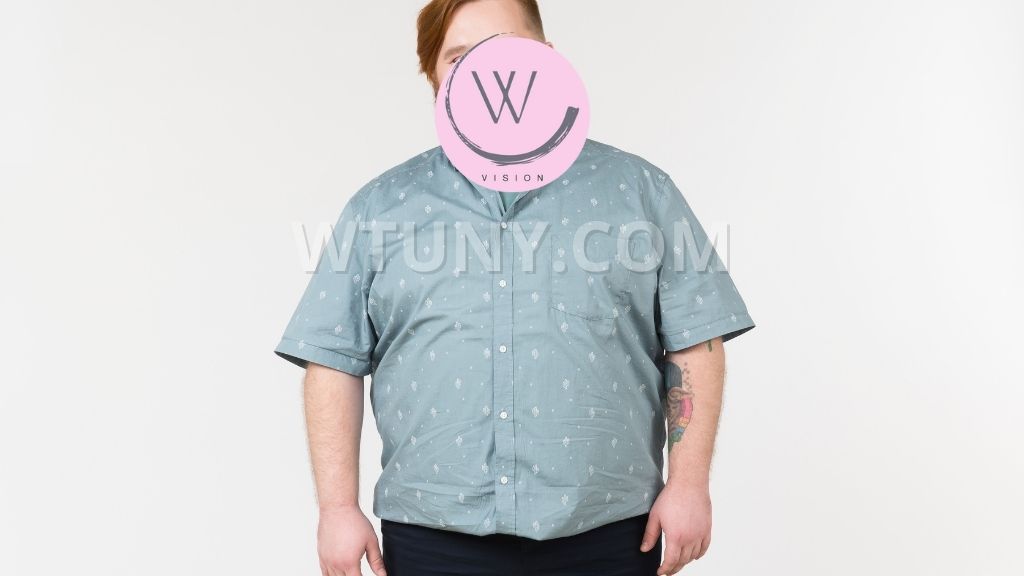
“Man boobs” is a common phrase for enlargement of the male chest. The medical term gynecomastia describes an increase in breast gland tissue, usually linked to a change in the balance between testosterone and estrogen. A larger chest can also result mainly from excess body fat, sometimes called pseudogynecomastia. These two conditions can look similar, but they may require different approaches.
What can cause male breast enlargement?
Understanding the likely cause is important because diet and exercise may help reduce fat, but they do not directly remove enlarged glandular tissue.
- Hormonal changes: Gynecomastia can occur when estrogen has a stronger effect than testosterone. It is often seen during puberty and may also affect older men.
- Weight gain: Extra fat around the chest can make the breasts appear larger and may also affect hormone balance.
- Aging: Testosterone levels may decline with age while body-fat levels increase, creating conditions that contribute to breast enlargement.
- Health conditions: Problems affecting the liver, kidneys, or hormone-producing systems can sometimes play a role. Genetic conditions, including Klinefelter syndrome, are another possible cause.
- Medication or substance effects: Some treatments, including certain hormone-related medicines, steroids, anti-HIV medicines, and anti-anxiety medicines, may be associated with breast enlargement.
When should you seek medical advice?
New, persistent, painful, or bothersome breast enlargement should be discussed with a healthcare professional. Do not assume that every chest lump is gynecomastia. Seek prompt medical assessment for a hard or unusual lump, discharge from the nipple, skin changes, marked one-sided enlargement, or rapidly increasing swelling.
How gynecomastia is diagnosed
A clinician will usually begin by asking when the change started, whether it is painful, what medicines or supplements you take, and whether you have other health concerns. A physical examination may include the chest, abdomen, and reproductive areas.
Depending on the findings, further testing may be recommended:
- Blood tests to assess hormone patterns and review liver or kidney function.
- Imaging, such as an ultrasound or another scan, when the physical examination does not clearly identify the cause.
- Additional investigation if the clinician needs to rule out another breast or hormone-related condition.
Ways to reduce the appearance of a larger chest
Focus on gradual weight management
If excess body fat is a major factor, gradual weight loss may reduce the size of the chest. Build meals around lean protein, vegetables, fruit, whole grains, and appropriate portions of healthy fats. Limiting excess added sugar and highly processed foods can make it easier to manage calorie intake. Drink water regularly and avoid extreme diets that are difficult to maintain.
Use exercise to build overall fitness
Regular activity can help reduce body fat and improve the shape of the chest, shoulders, and back. Useful exercises may include push-ups, bench presses, cable movements, chest-press machines, and rowing exercises. Begin with a manageable resistance and use proper form. If you are new to strength training, work with a qualified instructor to reduce the risk of injury.
Exercise cannot reliably remove glandular breast tissue caused by gynecomastia. It is still valuable for general health and may improve appearance when fat is contributing to the enlargement.
Medical treatment options
Treatment depends on the cause, how long the enlargement has been present, and how much it affects you. If a medicine appears to be involved, a clinician may consider changing or replacing it. Never stop a prescribed medicine on your own.
In selected cases, a healthcare professional may discuss medication that affects hormone activity. These medicines are not suitable for everyone and should only be used under medical supervision.
When enlargement persists or causes significant discomfort or distress, surgery may be considered. Liposuction removes excess fat, while a surgical procedure to remove glandular tissue addresses true gynecomastia. Both approaches may sometimes be used together, depending on the chest’s composition and the desired result.
Looking after your confidence and wellbeing
Chest enlargement can affect body image, clothing choices, relationships, and confidence. Speaking with a trusted person, clinician, or mental-health professional may help. Support from others who have experienced the same concern can also make it easier to cope while you investigate treatment options.
Key points
- Male breast enlargement may be caused by glandular tissue, excess fat, or both.
- A medical assessment can help identify hormonal, health-related, or medication-related causes.
- Weight management and exercise can reduce excess fat but may not resolve glandular gynecomastia.
- Persistent or concerning changes deserve professional evaluation, and prescribed medicines should not be altered without medical advice.