
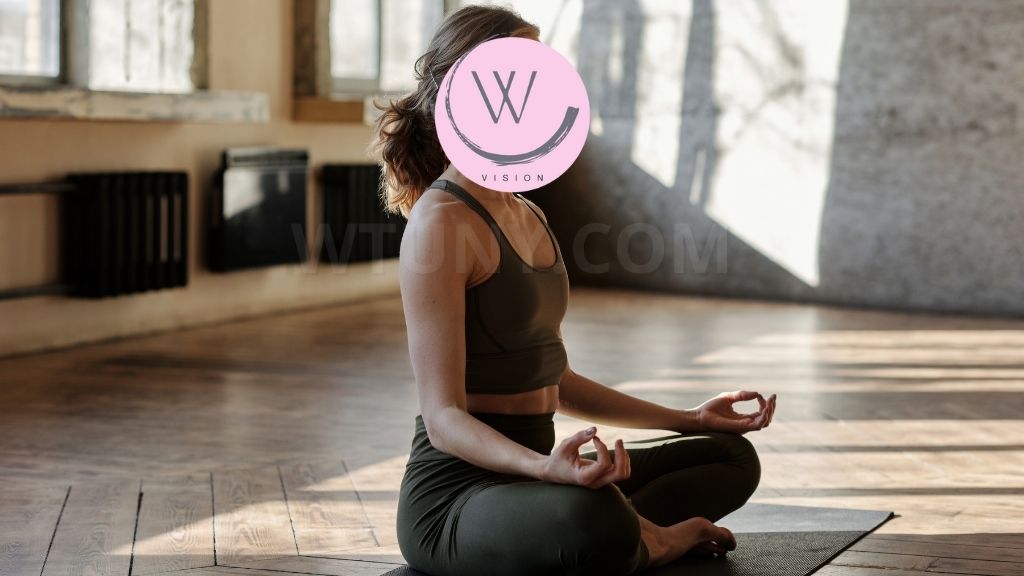
Brahma Mudra is a seated yoga and meditation practice that combines hand positioning, controlled breathing, gentle head movements, and vocal sounds. It is traditionally used to encourage stillness, concentration, and awareness of the neck and upper body.
Although the practice is often discussed in connection with neck comfort, stress, blood pressure, blood sugar, and general wellbeing, it should not be treated as a cure or replacement for medical care. Its most reliable role is as a gentle relaxation practice performed within a person’s physical limits.
What is Brahma Mudra?
In Sanskrit, mudra generally refers to a symbolic gesture or seal. Brahma Mudra is commonly taught as a meditation technique in which the hands are held near the navel while the head moves slowly through several directions. Breathing and sounds such as “A,” “U,” and “M” may be added to create a steady rhythm.
The practice is associated with the traditional idea of bringing awareness to the head, neck, breath, and hands at the same time. It may be included in a longer yoga or meditation session, or practiced on its own for a few quiet minutes.
How to practise Brahma Mudra
Choose a quiet place and wear clothing that allows you to sit and breathe comfortably. You may sit on the floor in a comfortable cross-legged position, Padmasana, or Vajrasana if those positions are suitable for you. A chair is also an acceptable alternative if sitting on the floor causes discomfort.
- Sit with your spine naturally upright rather than rigid. Let your shoulders, jaw, and facial muscles soften.
- Bring your hands together and form gentle fists, placing the thumbs near the base of the fingers. Keep the hands relaxed rather than tightly clenched.
- Cross or lightly bring the wrists together and hold the hands in front of the navel, according to the version taught by your yoga instructor.
- Close your eyes if that feels safe, or keep them softly open. Take several easy breaths before beginning the head movements.
- On a slow inhalation, turn or tilt your head gently toward the right. Avoid lifting or dropping the chin sharply.
- Return your head to the centre while exhaling. Some traditions pair this phase with an “A” sound.
- Repeat the movement toward the left, then return to the centre with a slow exhalation and an “U” sound if you are using the vocal practice.
- Next, lower your gaze toward the floor and bring the chin slightly toward the chest without forcing the neck. Return to centre while exhaling with a soft humming “M” sound.
Move slowly and keep the range of motion small. A complete practice may be repeated three to nine times, but fewer repetitions are appropriate when you are learning or when your neck feels tired.
Possible benefits
Brahma Mudra may be useful as a structured way to pause, regulate breathing, and direct attention away from everyday distractions. The slow movements can also help you notice tension in the neck, shoulders, jaw, and upper back.
- Encourages quiet concentration during meditation
- Promotes slow, deliberate breathing
- Provides gentle neck movement when performed comfortably
- May support relaxation and a calmer response to daily stress
- Can be adapted for a short home mindfulness routine
Some yoga and wellness discussions describe Brahma Mudra as helpful for chronic neck pain or cardiovascular and metabolic health. However, these claims should be interpreted cautiously. Evidence for Brahma Mudra alone is limited, and the practice should not be used to manage neck disorders, diabetes, hypertension, heart disease, or breathing problems without guidance from a qualified healthcare professional.
Safety precautions
Neck movements should never be fast, forceful, or performed through pain. Stop immediately if you feel sharp pain, numbness, weakness, unusual pressure, nausea, or dizziness. Do not push the head farther than its comfortable natural range.
Speak with a doctor or qualified yoga therapist before practising if you have a neck or head injury, significant arthritis, recurring dizziness, balance problems, chronic nosebleeds, a neurological condition, or another condition affected by head movement. Extra care may be appropriate for children, older adults, pregnant people, and anyone with limited mobility.
Practising mindfully
Brahma Mudra works best as a gentle awareness exercise rather than a test of flexibility. Keep the breath comfortable, use a chair when needed, and learn the technique from an experienced yoga professional if the hand position or movement sequence is unclear. Regular, relaxed practice is more important than forcing a long session.